Why Is Your Parrot Pulling Its Feathers?
- Quick Tags: parrot feather plucking, parrot, exotic bird
- Editor: Chloe Jones
- Updated: Mar,18,2026
- Views: 265.3k


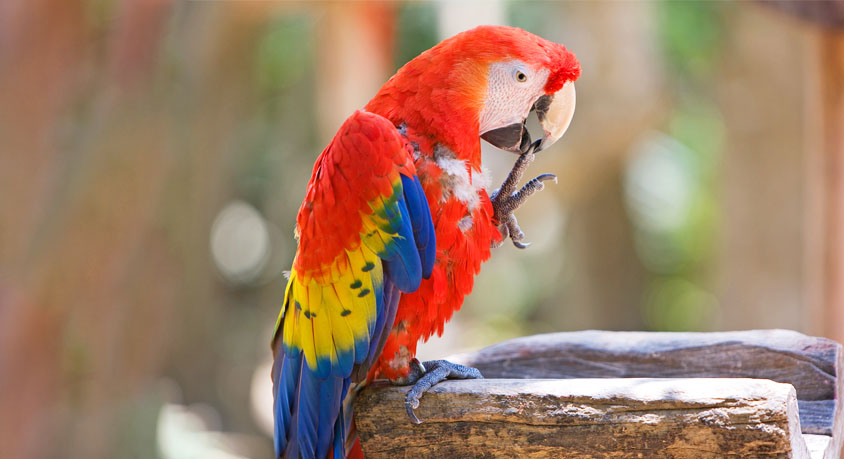
My roommate’s African Grey parrot, Koa, used to be the star of her Instagram—vibrant red tail feathers, a vocabulary of 50+ words, and a habit of dancing to reggaeton. Then one day, she noticed bald spots on his chest. At first, she blamed mites, then a diet flaw, until the avian vet dropped the bombshell: Koa was plucking his own feathers, and it had nothing to do with physical health. “This is his cry for help,” the vet said. Parrots are often sold as “low-maintenance” exotic pets, but their feather-plucking habit is a silent scream of stress, boredom, or loneliness—and it’s far more common than you think. Avian behaviorists report that 30% of captive parrots develop feather-plucking behaviors by age 5, and 80% of those cases stem from psychological needs not being met, not illness. Decoding this “bad behavior” isn’t just about stopping the plucking—it’s about understanding that parrots are emotional, intelligent creatures that need more than a cage and seed to thrive.
Let’s get real: parrots are the brainiacs of the bird world, with cognitive abilities comparable to 3-year-old humans. In the wild, they spend 6-8 hours a day foraging, socializing in flocks, and solving problems—so sticking one in a small cage with no stimulation is like putting a kid in a closet with a coloring book and calling it “enrichment.” Koa’s plucking started when my roommate took a promotion with longer hours; suddenly, the bird who’d had constant playtime and conversation was left alone for 12+ hours a day. “He went from chatting with me while I cooked to sitting silently, picking at his feathers,” she recalls. Research from the University of Florida’s Avian Science Lab confirms that social deprivation is the top trigger for feather-plucking—parrots are flock animals, and isolation is traumatic for them. Other culprits? Boredom (no toys that challenge their brains), sudden environmental changes (a new pet, moved cage), or even stress from loud noises (think: blaring TVs or construction).
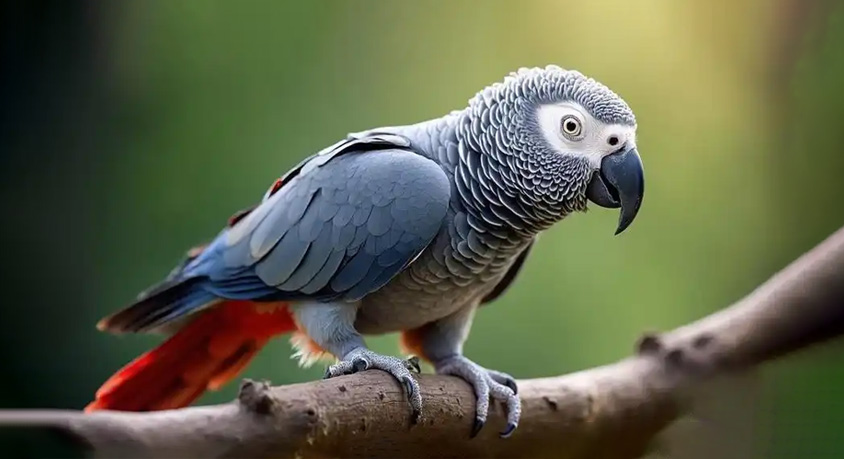
Feather-plucking isn’t a “phase”—it’s a compulsive behavior that can become permanent if not addressed. Koa’s vet explained that the action releases endorphins, turning it into a coping mechanism, like nail-biting in humans. To help him, my roommate had to rethink his entire routine: she added foraging toys (puzzle feeders that require him to work for seeds), moved his cage to the living room so he’d be part of the action, and set a timer for 30 minutes of one-on-one play every morning and night. “At first, he ignored the toys, but once he figured out how to get treats out, he went crazy for them,” she says. Within two months, Koa stopped plucking, and his feathers started growing back. The key? Meeting his mental and emotional needs, not just his physical ones. Parrots need “mental gym” time—toys that require problem-solving, social interaction, and even a little chaos (they love shredding paper or untying knots).
But here’s the harsh truth: many parrot owners don’t realize how high-maintenance these birds are until it’s too late. Breeders often market them as “forever pets” that bond with one person, but the reality is they need constant engagement. A 2024 survey by the American Federation of Aviculture found that 40% of surrendered parrots are given up because of feather-plucking or other “behavioral issues”—issues that could have been prevented with proper enrichment. Koa’s story is a wake-up call: parrots aren’t decorations or novelty items. They’re emotional beings that feel loneliness, boredom, and stress just like we do. Their feathers are more than just plumage—they’re a window into their mental health.
My roommate’s life now revolves around Koa’s needs: morning play sessions, puzzle toys rotated weekly, and even “parrot playdates” with a friend’s macaw. “He’s not just a pet—he’s a roommate with very specific demands,” she laughs. But the payoff is worth it: Koa is back to dancing to reggaeton, chatting up guests, and showing off his feathers. Feather-plucking isn’t a sign of a “bad” parrot—it’s a sign that we’re failing to understand their needs. If you’re a parrot owner dealing with this behavior, don’t punish your bird or write it off as “naughty.” Instead, listen to what they’re trying to tell you: they need more, be it time, play, or connection. And if you’re thinking about getting a parrot? Go into it with your eyes open—these birds require dedication, but for those willing to put in the work, they’re the most loyal, entertaining companions around. After all, Koa’s feathers didn’t grow back because of a magic pill—they grew back because someone finally listened to his silent scream.