BirdTikTok Teaching Parrots to Swear? Linguists and Bird Trainers Sound the Alarm
- Quick Tags: parrot training, talking bird, bird behavior, pet enrichment
- Editor: Chloe Jones
- Updated: Apr,07,2026
- Views: 450.3k


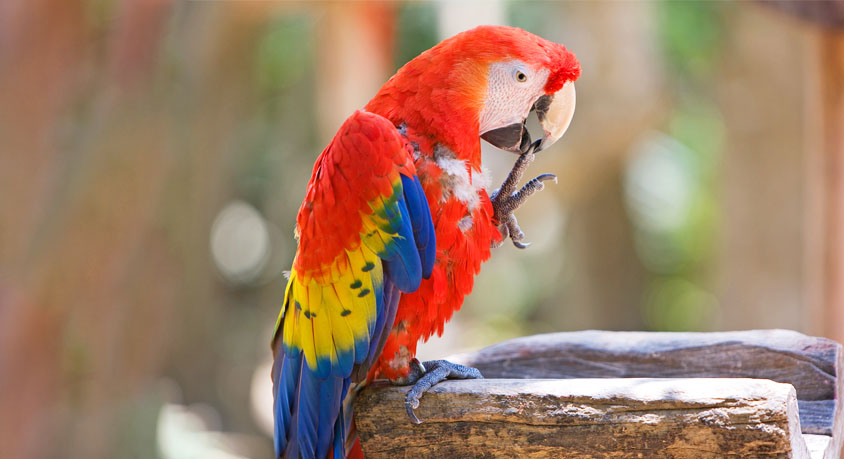
Picture this: you’ve had a long day, you finally sink into your couch, and from its perch, your beloved Grey, Mr. Feathers, lets out a perfect, crisp syllable that would make a sailor blush. Your coffee cup freezes halfway to your lips. The room’s vibe just shifted from zen to pure, unadulterated drama. And where did he learn it? Possibly from the same place we learn everything now—TikTok. #BirdTok is currently obsessed, and the trend isn’t cute whistles or “hello,” it’s parrots dropping F-bombs with the casual precision of a stand-up comic. It’s viral, it’s kinda hilarious for a three-second clip, but linguists and avian behaviorists are hitting the pause button, hard.
Let’s be real, a parrot cussing feels like peak comedy because it’s so incongruously human. We’re dealing with creatures of immense social and cognitive complexity. Dr. Alana Pierce, an avian behavior specialist I spoke with, broke it down: “Parrots aren’t just mimicking sound; they’re connecting that sound to a reaction. When a parrot says ‘pretty bird’ and gets a smile, it learns positivity. When it mutters a curse and the entire room erupts in gasps, laughter, or frantic ‘No!’s—that’s a jackpot of social feedback. It’s loud, it’s energetic, it’s attention. For a social flock animal, negative attention is still attention, and it powerfully reinforces the behavior.” The problem isn’t the word itself; it’s the behavioral loop we accidentally code. That “funny” moment can cement a pattern where frustration or excitement in the bird—or the household—triggers a string of profanity, effectively training the bird to use those words during tense moments. It stops being a party trick and starts shaping your daily interactions.
Think of Kiwi, a spirited Conure whose owner, Maya, thought the angry “shut up!” her bird picked up was a phase. It wasn’t. Soon, Kiwi would scream it during quiet Zoom calls, at predawn hours, and most tellingly, during her own molting season when she was visibly stressed. The word became her outlet, a reflection of the tension it initially caused. Rewiring that took months of dedicated positive reinforcement. The lesson? These brilliant birds mirror our emotional ecosystems. Feeding them a diet of negative vocabulary, even in jest, limits their potential for enriching communication and can create a long-term management headache.
The flip side is where the magic happens. The same intelligence that masters a curse word can learn phrases that actually enhance your bond. The goal is to make the positive interaction the most rewarding show in town. Start by identifying what your bird truly values—a specific nut, head scratches, a favorite sound. When they vocalize calmly or attempt a desired sound, mark that exact moment with a clicker or a consistent “good!”, then deliver the prize. Want them to learn “hello” or a cheerful tune? Pair the word enthusiastically with your arrival. Use clear, upbeat repetition during happy, calm times. Swap out the viral shock-value training for teaching them to name their toys, ask for a snack, or whistle a happy melody. Provide foraging puzzles and shreddable toys to channel their mental energy constructively. You’re not just avoiding awkward guest moments; you’re building a shared language of care and stimulation. So next time you’re scrolling and see a parrot with a potty mouth, remember: the trend will fade, but the words you teach your feathered friend echo far longer. Let’s make them worth repeating.