My Pet Rabbit Supplies the Wool for My Scarves
- Quick Tags: Angora rabbit, long-haired rabbit care, luxury pet maintenance
- Editor: Alex Reynolds
- Updated: Mar,08,2026
- Views: 343.8k


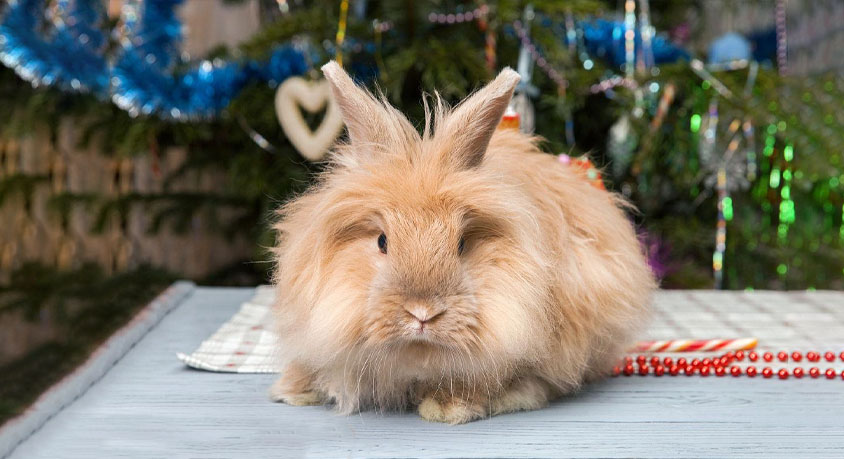
My bestie Lila saw an Angora rabbit reel on TikTok and lost her mind—this tiny fluffball with fur so thick it looked like a walking marshmallow, ears peeking out like cute little clouds. She immediately adopted one named Cotton, declaring, “Finally, a pet that’s as extra as my skincare routine!” However, Cotton’s “extra” fur came with a side of chaos Lila didn’t sign up for. Within two weeks, she was Googling “how to untangle rabbit fur” at 2 a.m., covered in fluff, as Cotton squirmed in frustration from matted hair that had turned into painful clumps. Here’s the tea: Angora rabbits are the ultimate “glam pets,” but their iconic coats aren’t just for show—they demand daily grooming, strategic trims, and yes, you can even harvest their wool to spin into yarn (DIY queen energy, anyone?).
Let’s keep it real: Angora fur is next-level—soft, silky, and so dense it grows 2-3 centimeters a month (that’s 24-36 cm a year!) without shedding like regular rabbits. But that non-stop growth is a double-edged sword. According to rabbit care experts, 70% of Angoras develop skin infections or painful mats if not groomed daily—those tiny tangles turn into rock-hard clumps that trap dirt, moisture, and even parasites. Lila learned this the hard way when Cotton’s matted belly led to a vet visit and a stern lecture: “Skip a day of brushing, and you’re looking at trouble.” Now she’s got a daily 15-20 minute grooming ritual with a slicker brush and metal comb, working from head to tail to keep Cotton’s coat fluffy (not frizzy). “It’s like doing a mini spa day—Cotton even closes her eyes now,” Lila laughs, though she admits there are still days when fur ends up in her coffee.
But here’s the fun part: Angora wool is a total game-changer for crafty pet parents. Once Lila mastered grooming, she started “harvesting” Cotton’s loose fur—gently combing out the soft strands during molting season (or using a wool rake for longer locks) instead of letting it end up all over her couch. In a year, she’s collected over 200 grams of raw wool—enough to spin into yarn for a tiny scarf and a few hair bows. “It’s cruelty-free, sustainable, and low-key magical,” she gushes. “I wear the scarf and tell people it’s ‘Cotton’s couture’—they lose it when they realize it’s her fur!” The key is to harvest gently—never pull or shear (Angoras have sensitive skin!), and stop if your rabbit gets stressed. Most vets and rabbit breeders recommend harvesting every 3-4 months to keep their coats healthy and manageable.
Of course, the glamour comes with rules. Angoras need a high-fiber diet (think timothy hay and pellets) to keep their fur strong and prevent digestive issues (fluffy coats = high energy needs!). They also hate getting wet—so baths are a last resort (use dry shampoo if they get dirty!). And let’s not forget trims: every 6-8 weeks, Lila takes Cotton to a rabbit-savvy groomer to snip the fur around her belly and feet (high-friction areas that mat fastest). “It’s like a haircut for her—she comes home looking sleek but still fluffy, and way happier,” Lila says.
Angora rabbits aren’t for casual pet owners—they’re for people who love the grind of grooming, the joy of DIY projects, and having a pet that turns heads everywhere. Cotton now has her own TikTok account with 10k followers, showing off her grooming routine and Lila’s wool creations. “She’s not just a pet—she’s my little fluff partner in crime,” Lila says. If you’re ready to trade lazy pet days for spa days and DIY magic, an Angora rabbit might be your perfect match. Just remember: with great fluff comes great responsibility.