The Dark Side of Calm Pet TikTok
- Quick Tags: cat behavior, signs of cat stress, feline enrichment, pet wellness
- Editor: Chloe Jones
- Updated: Apr,11,2026
- Views: 391.1k


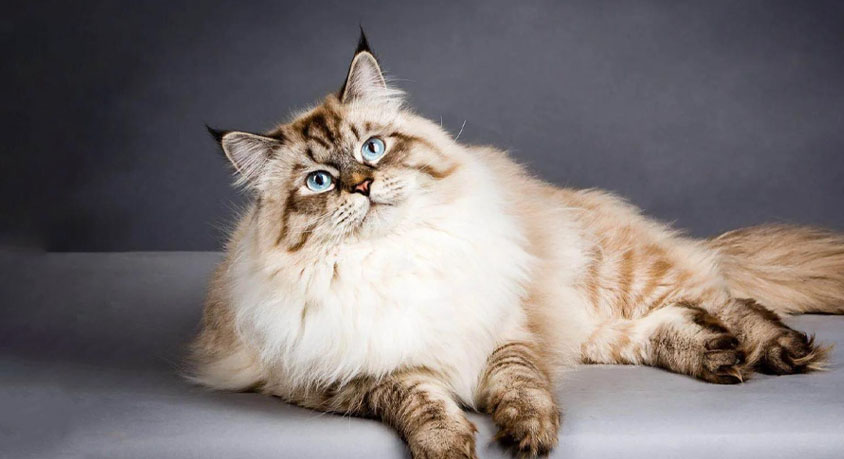
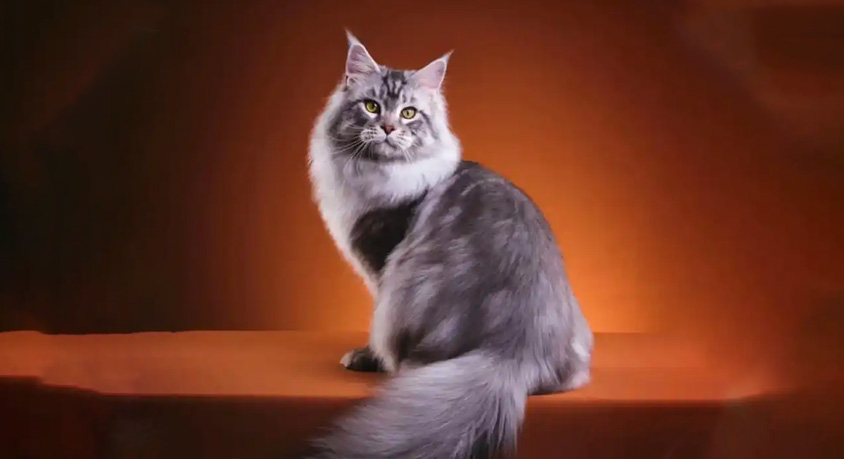
You know the vibe. You’re scrolling, seeking a moment of digital peace, and there it is: a cat. Not just any cat. A profoundly still, wide-eyed cat, sitting in perfect loaf form as the world blurs around them. A cat accepting gentle pats with slow, deliberate blinks. The caption reads “my zen master” or “living his best inner peace life.” The comments are a sea of heart-eyes and “goals.” This aesthetic of feline calm is one of TikTok’s most enduring subgenres, selling us a fantasy of the perfectly serene, low-maintenance pet. But what if the performance of peace is masking a problem? What if that viral “zen” is actually a freeze response?
Take Miso, a beautiful Russian Blue who became a minor sensation for videos of her sitting motionless on a windowsill for minutes, her gaze fixed and distant. Her owners praised her “meditative” nature. A concerned follower, who happened to be a vet tech, finally commented: “Has she always been this quiet? Has she been checked for arthritis or vision issues?” The owners, prompted by the comment, took her in. Miso wasn’t meditating; she was in significant pain from early-stage dental disease and was avoiding movement. The “calm” was discomfort. Her story isn’t an indictment of her owners, but a spotlight on how easily we misinterpret animal behavior through a human, narrative-driven lens.
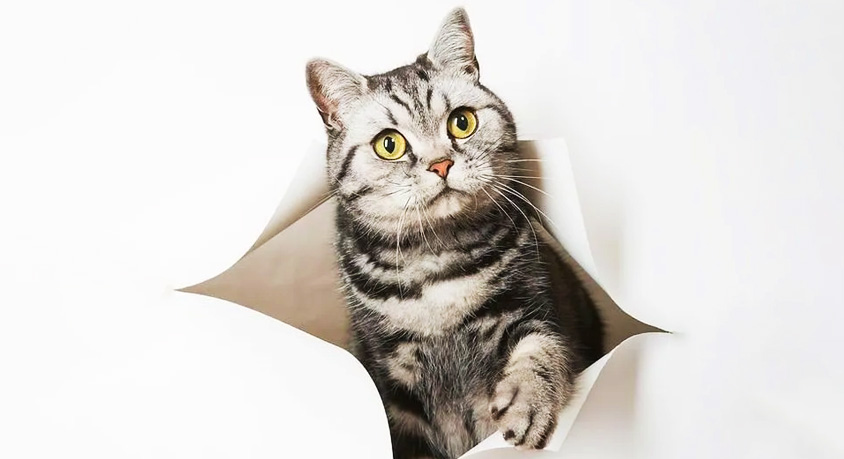
Dr. Elena Vargas, a feline behavior consultant, breaks it down. “The behaviors we often label as ‘chill’ or ‘zen’—prolonged stillness, slow blinking, low activity—can be signs of a content cat in a safe environment. But they are also the hallmarks of a cat that is unwell, in pain, or chronically stressed. A cat that doesn’t move might be hurting. A cat that constantly gives slow blinks might be using appeasement gestures to diffuse a perceived threat, not show love. The key is context and pattern.” Is the cat also playing? Eating enthusiastically? Initiating affectionate contact? Or is the stillness their entire personality, punctuated only by trips to the food bowl and litter box?
The pressure to produce content can unconsciously shape a pet’s environment in subtle, stressful ways. Constant filming, repositioning for the light, the presence of unusual props or other animals—these can all contribute to low-grade, chronic stress in a creature of habit. The cat may shut down, appearing calm to avoid conflict or because they’ve simply given up on expressing their needs. We mistake that resignation for contentment.
This isn’t to say every calm cat on the internet is suffering. It’s a call for smarter, more holistic observation. Look beyond the curated 15-second clip. Does your cat have opportunities for the full spectrum of natural behaviors: climbing, hiding, scratching, hunting (even if it’s a toy)? Is their “zen” a choice among many behaviors, or is it their only setting? The goal shouldn’t be to have a prop for our own aesthetic of calm, but to have a partner in wellbeing whose moments of genuine relaxation are earned through a rich, respectful, and healthy life. True peace isn’t performance art. It’s a purr that comes from a body that feels safe and sound, not just one that looks good on camera.