No One Explains This Before You Buy a “Hypoallergenic” Cat
- Quick Tags: Siberian cat, hypoallergenic cat breed, pet, loyal large cat
- Editor: Chloe Jones
- Updated: Mar,30,2026
- Views: 298.2k

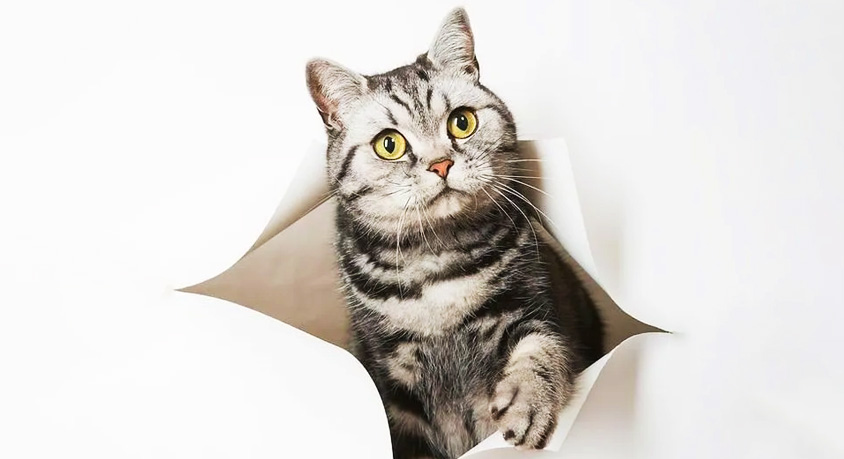
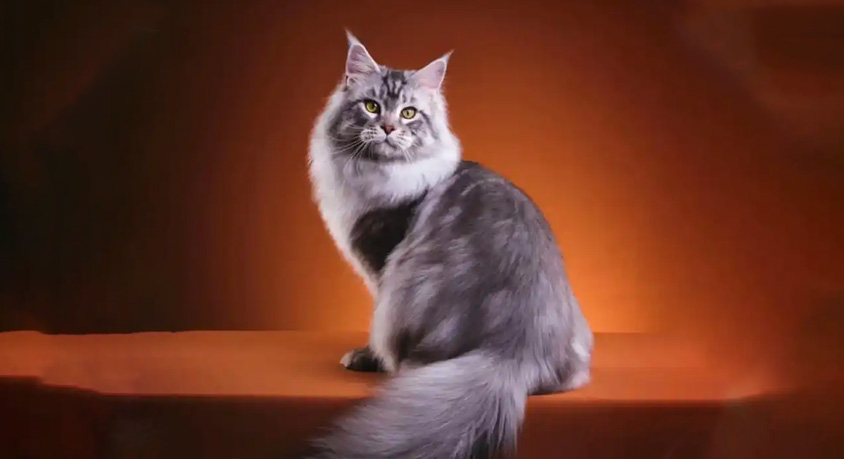
My friend Lila spent years mourning her “no-cat” fate—every time she visited a friend with a feline, her eyes swelled shut, her nose ran like a faucet, and she’d spend the next 24 hours sneezing. Then she stumbled on TikTok videos of Siberian cats: “All the cuddles, none of the allergies!” “Hypoallergenic king of the forest!” She was sold, dropping cash on Misha, a fluffy gray Siberian with a muscular build and eyes like amber. The first week was a dream—no sneezing, no watery eyes, just Misha curling up on her lap and purring. Then week two hit: Lila woke up with a stuffy nose, and by week three, she was back to her old allergy routine, sniffling through a box of tissues while Misha stared at her like she was betraying him. “I thought I’d found the holy grail,” Lila groaned. “Turns out, ‘hypoallergenic’ just means ‘less likely to make you sneeze’—not ‘magic allergy eraser.’” That’s the Siberian cat truth no influencer tells you: they’re amazing, loyal, and yes, less allergenic than most cats—but they’re not a cure-all for cat allergies. And if you don’t go in with your eyes open, you’ll end up heartbroken (and sneezy).
Let’s get the science straight: Siberians aren’t “non-allergenic”—no cat is. Cat allergies are triggered by Fel d1, a protein found in a cat’s saliva, skin, and urine. What makes Siberians unique is that studies (including research from the University of California, Davis) show they produce 50-70% less Fel d1 than average breeds. That’s a big difference, but it’s not a guarantee. Lila’s allergist explained it best: “Allergy severity depends on the cat’s individual Fel d1 levels, your own sensitivity, and how much you interact with them.” Misha’s Fel d1 levels were on the lower side, but Lila’s allergies are severe—so even a little exposure added up. “I pet him, then touch my face, and boom—sneeze attack,” she says. The other catch? Their thick, three-layer waterproof coat traps dander (dead skin cells that carry Fel d1), so if you don’t groom them regularly, that dander builds up and spreads. Lila now brushes Misha every other day with a hypoallergenic shampoo and runs a HEPA air purifier 24/7: “It helps, but it’s not perfect. I still can’t cuddle him for hours like I wanted.”
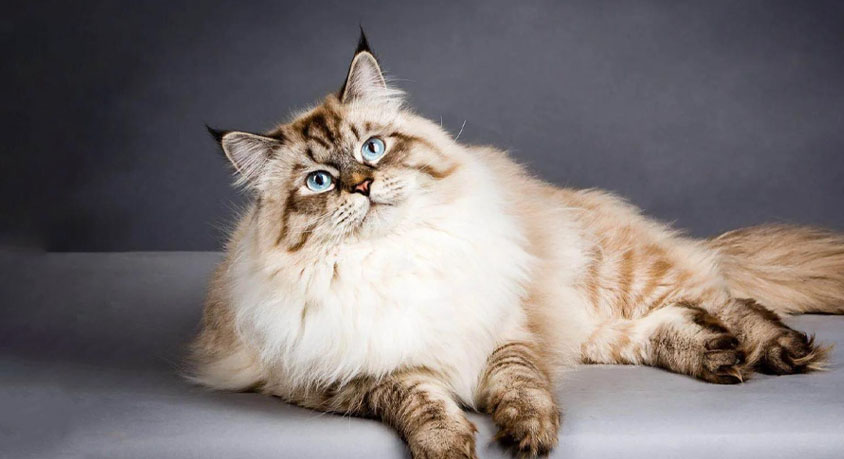
Beyond the allergy hype, Siberians are legit impressive—they’re the “forest kings” of the cat world, hailing from Russia’s Siberian forests where they evolved to survive harsh winters. Their muscular build (males 15-20 pounds, females 10-15 pounds), thick double coat with a water-resistant top layer, and bushy tails (they wrap them around their faces to stay warm) make them look like tiny wildcats. Misha’s coat is so dense, Lila jokes he’s “a walking down jacket”—and it sheds year-round, though less than you’d expect for a long-haired breed. “He sheds a little every day, but it’s not like living in a snow globe of fur,” she says. Personality-wise, they’re more dog than cat: loyal, affectionate, and even trainable. Misha follows Lila from room to room, comes when she calls his name, and even plays fetch with a small toy mouse. “He’s the most loyal pet I’ve ever had—he’ll sit by the door and wait for me to get home, then greet me with headbutts,” Lila says. “If allergies weren’t an issue, he’d be perfect.”
The biggest mistake potential owners make? Taking “hypoallergenic” at face value. The Cat Fanciers’ Association warns that no two Siberians are the same—some produce less Fel d1 than others, and some allergy sufferers will still react. Lila wishes she’d done a “trial run” before adopting: “I should’ve spent a weekend with a Siberian owner to see how my allergies reacted, not just trusted TikTok.” For mild allergy sufferers, Siberians might be a game-changer—many report minimal or no symptoms with regular grooming and air purification. But for severe sufferers like Lila? It’s a roll of the dice. “I love Misha more than anything, but I’m always managing my allergies around him,” she says. “It’s worth it for his snuggles, but I wish someone had told me it wouldn’t be a magic fix.”
If you’re an allergy sufferer dreaming of a cat, don’t write off Siberians—but don’t blind yourself to the reality either. Do your research: talk to your allergist, spend time with a Siberian before adopting, and invest in allergy-friendly tools (HEPA purifiers, hypoallergenic shampoo, lint rollers). And remember: “hypoallergenic” doesn’t mean “allergy-free”—it means “let’s negotiate.” Siberians are amazing companions—loyal, playful, and stunning—but they’re not a cure for allergies. Lila’s story is proof: with the right expectations and tools, you can make it work. But if you think adopting a Siberian will make your allergies disappear? You’re in for a sneezy surprise. At the end of the day, the best cat for allergy sufferers is one that fits your lifestyle—and your immune system. And if that’s a Siberian? Count yourself lucky—just don’t forget the tissues and air purifier.